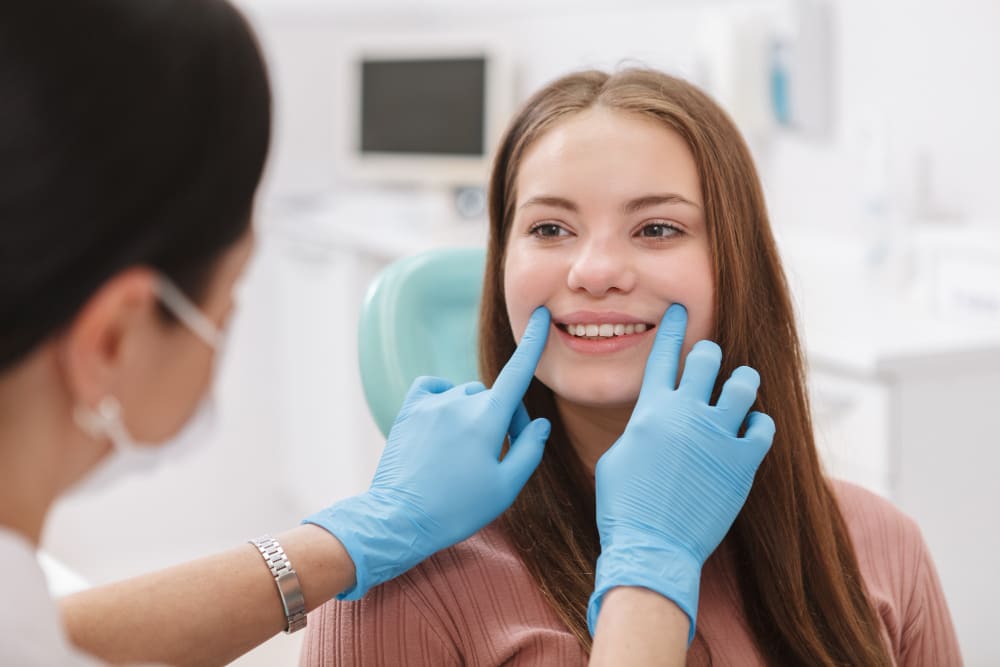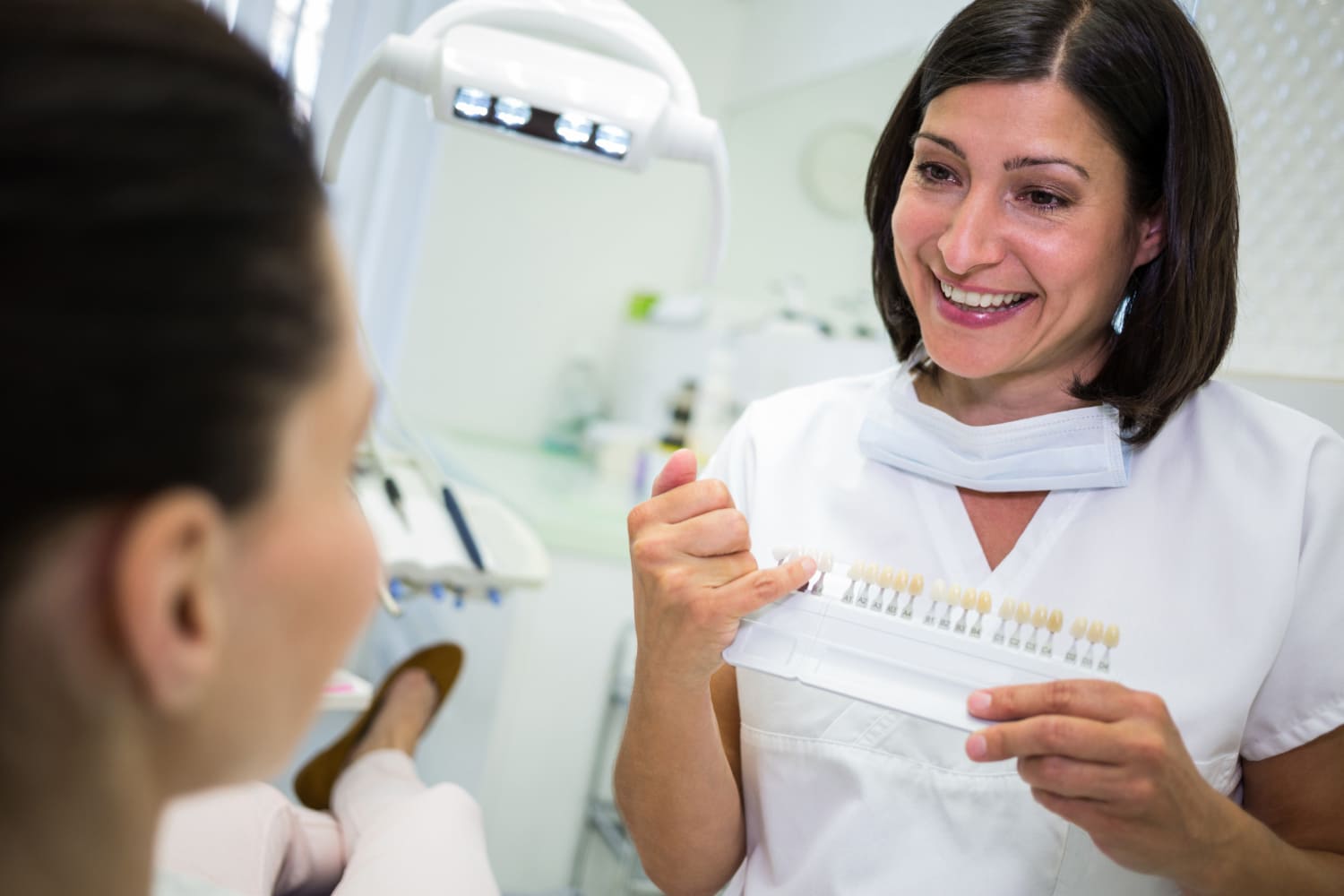

Porcelain veneers are ultra-thin, custom-made shells of porcelain glass designed to be bonded to the front surface of your teeth. They are essentially a substitute for tooth enamel and are meticulously crafted to fit perfectly over your natural tooth.
Veneers are highly versatile and are used to conceal a variety of dental imperfections. They offer a durable, aesthetic solution for correcting issues with the colour, shape, size, or length of your teeth, giving you a symmetrical and naturally radiant smile.
Porcelain veneers offer numerous advantages for patients seeking a permanent aesthetic enhancement.
 Conceals imperfections such
as chips, cracks, and severe discolouration.Corrects alignment of mildly
crooked or unevenly spaced teeth.Highly durable and resistant
to staining, maintaining a bright look.Custom-made to ensure they
look perfectly natural and fit your face.Minimal preparation required
compared to full crowns.
Conceals imperfections such
as chips, cracks, and severe discolouration.Corrects alignment of mildly
crooked or unevenly spaced teeth.Highly durable and resistant
to staining, maintaining a bright look.Custom-made to ensure they
look perfectly natural and fit your face.Minimal preparation required
compared to full crowns.
Offer maximum longevity, superior stain resistance, and a highly durable, custom aesthetic.
Less invasive, lower cost, quicker to apply (often in one visit), but less stain-resistant and may not last as long.
We will guide you through the pros and cons of each material based on your budget, goals, and desired longevity.
Your concerns, answered clearly and honestly.
A digital smile test drive will be done before you actually go in for porcelain veneers. This will give you an idea and feel of how the new smile will look after the actual veneers are fitted. You can use these temporary test drive for a few days to show your loved ones and get a feel of the new smile.
The cost of porcelain veneers starts from £695 per tooth.
The porcelain veneer is very strong and should not break under normal circumstances. If gum recession occurs the root of the tooth may become exposed. Patients may want new veneers to cover the roots. The integrity of veneered teeth is marginally compromised, and the veneer is bonded to the existing teeth. There is no higher incidence of decay provided that the veneers are properly cared for as detailed above, regular brushing with toothpaste, and flossing.
Brushing two times each day for two minutes, flossing daily, and wearing a bite guard at night are great ways to protect the veneers. It is also beneficial to avoid eating very hard foods like almonds, or cracking shells with the front veneers.
A prosthodontic consultation is needed to determine how many veneers are required or if veneers are the best option. It is a good idea to have an even number of veneers. Two, four, eight, ten or twelve veneers give the best aesthetic results.
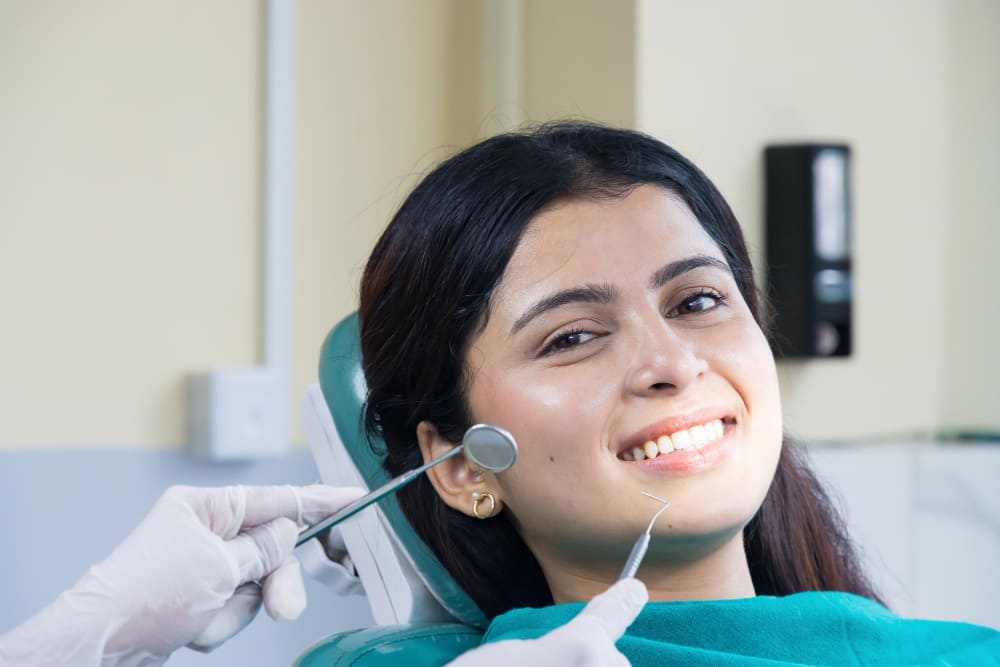
A non-invasive, cost-effective treatment that repairs chips and closes small gaps instantly, restoring your tooth's aesthetics.
Know More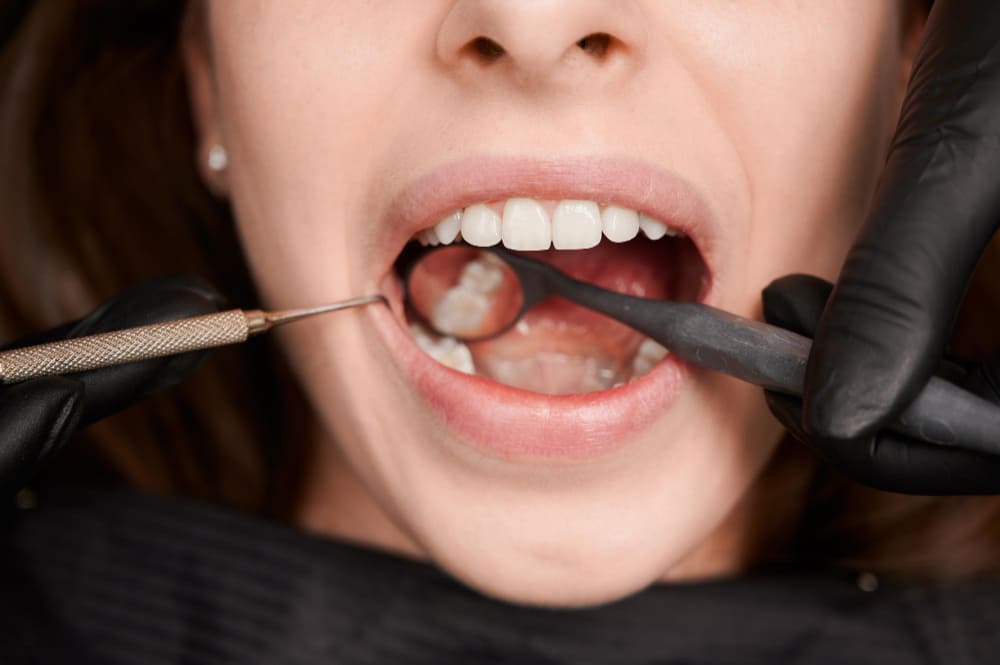
Laser treatment used to correct 'gummy smiles' by evening your gum line for a harmonious look.
Know More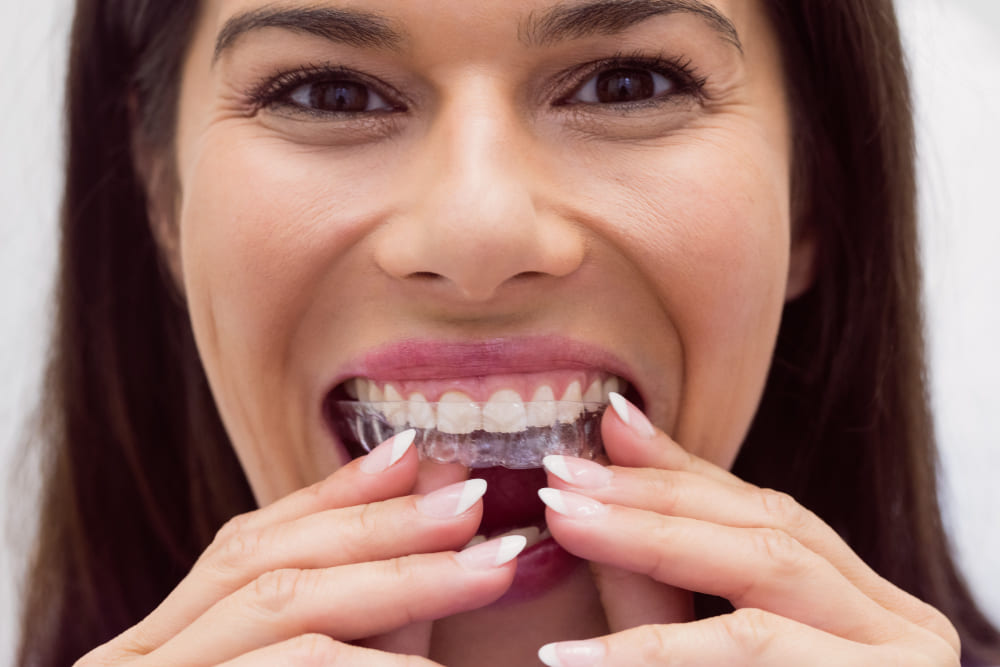
Advanced treatment designed to straighten your teeth comfortably and discreetly with clear aligners.
Know More
A complete custom plan to dramatically improve the aesthetics and confidence of your smile.
Know More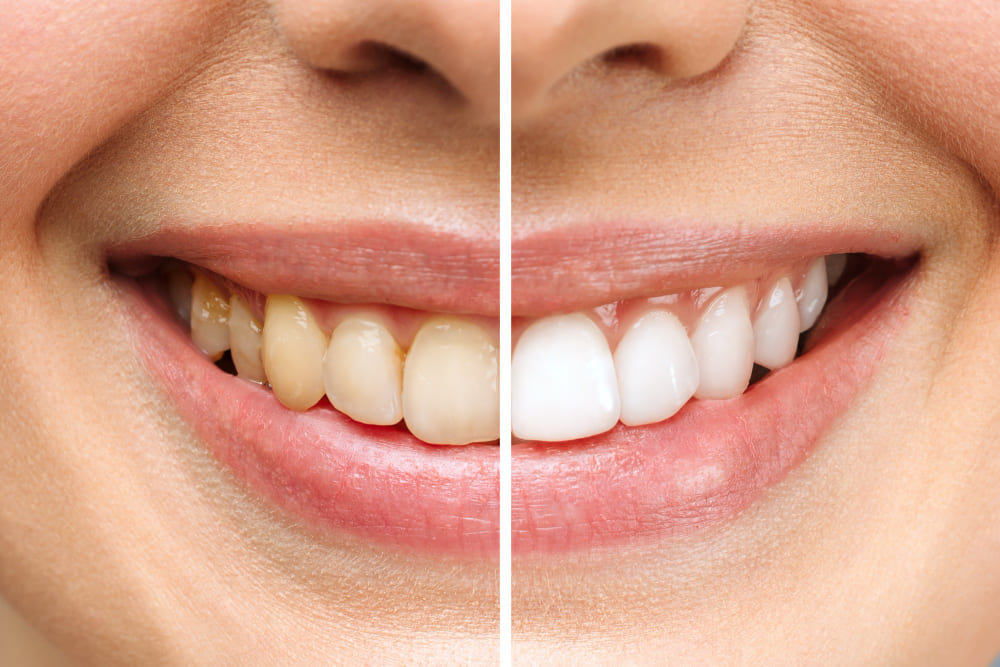

Dental emergencies can affect not just your smile and comfort, but a sudden toothache, a fractured tooth or an unexpected tooth loss can make eating difficult. While some dental problems require...
Read More.png)
Losing a tooth in an accident can be painful, distressing and unexpected. Whether it happens while playing, taking a fall or an impact on the face, knowing what to do immediately can help protect...
Read More
A child's dental health can impact their smile even in adulthood. From the teeth appearance to their ability to chew comfortably, Early dental care plays an important role in the development of...
Read More